






For many teens in high school, sleep has become a luxury rather than a necessity; between schoolwork, extracurricular activities, working a job while balancing a social life, this forces teens to be stressed on time making sleep the first thing to be cut short. While lacking sleep may be manageable at first, it catches up quickly, which can lead to consequences in both health and academic performance.
One of the biggest factors when considering sleep deprivation in teens is part-time employment. Most teens take on a job in their upperclassmen years of high school in order to save money, support families, or gain experience in the work force. With late shifts and long hours, a student who works several days during the week after school may not get home until late and still have schoolwork to catch up on from the day. Over time this can lead to burnout forcing the student to lose all hope and wondering why they push themselves so hard.
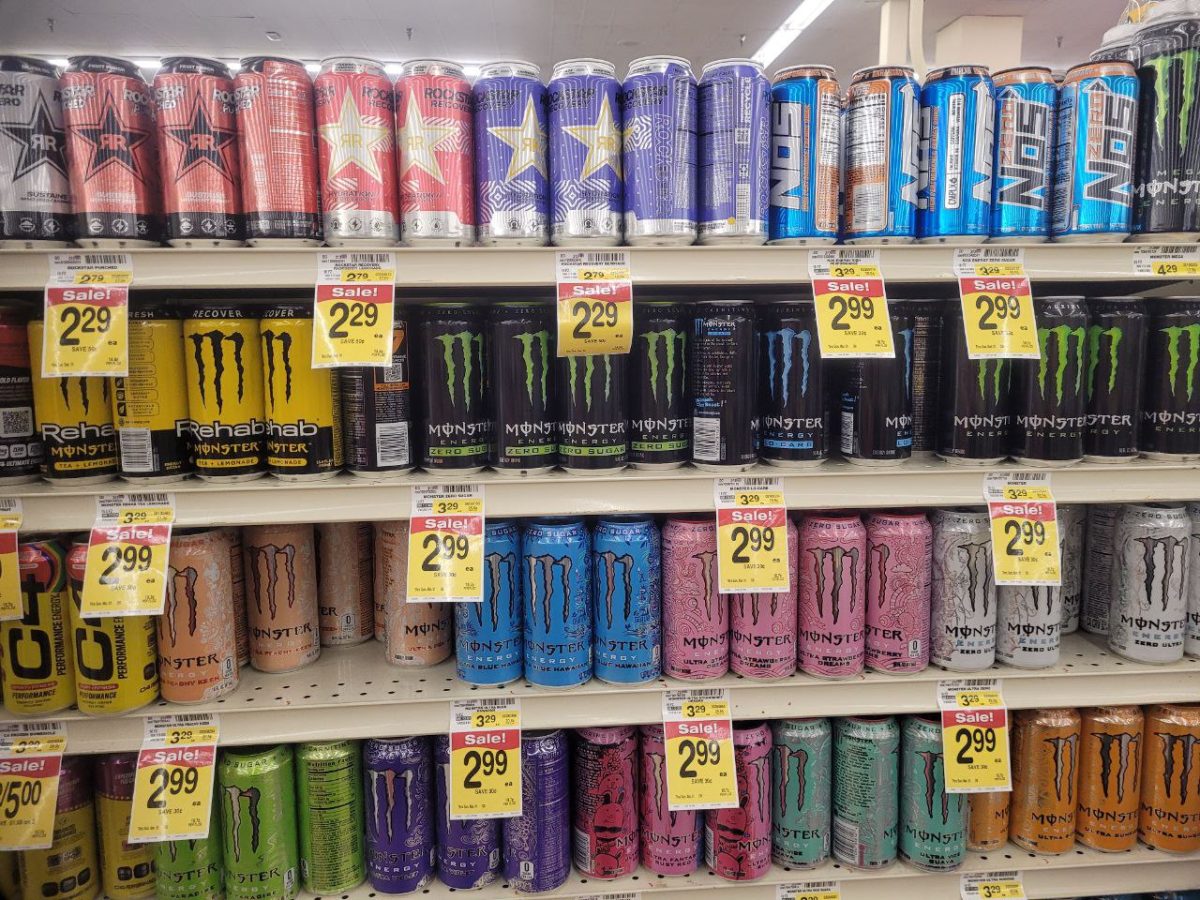
To cope with constant exhaustion, many teens turn towards energy drinks like Monster, Red Bull, and Alani being the most common. These energy drinks are advertised to be quick fixes for low energy. However, relaying on energy drinks can actually make things much worse, with high caffeine levels disrupts natural sleep cycles making it harder to fall asleep when there is time to rest; creating a cycle where the student feels even more fatigued the next day and enhance the dependency on caffeine to make it through the day.
Not to mention the health effects of sleep deprivation matched with the frequent abuse of artificial energy consumption. Lack of sleep has been linked to difficulty concentrating, confusion and memory loss, which all ultimately lead to lower academic performance. On going sleep loss can also cause mood instability, irritability, stress, and anxiety.
Experts say that teens should get about 8-10 hours of rest every night. Finding balance is key to success; many students may need to limit how many hours they work during the week, plan ahead for assignments, and especially be cautious of caffeine intake. Even the small things like reducing screen time before bed can drastically change sleep patterns
Sleep is not just rest; it’s essential for health, learning, and well-being. As teens learn to balance new and growing responsibilities, prioritizing sleep may be the most crucial step to success.
Sources:
https://www.cdc.gov/school-nutrition/energy-drinks/index.html
https://www.consumerreports.org/health/beverages/caffeine-in-energy-drinks-risky-teens-a2915223215/